
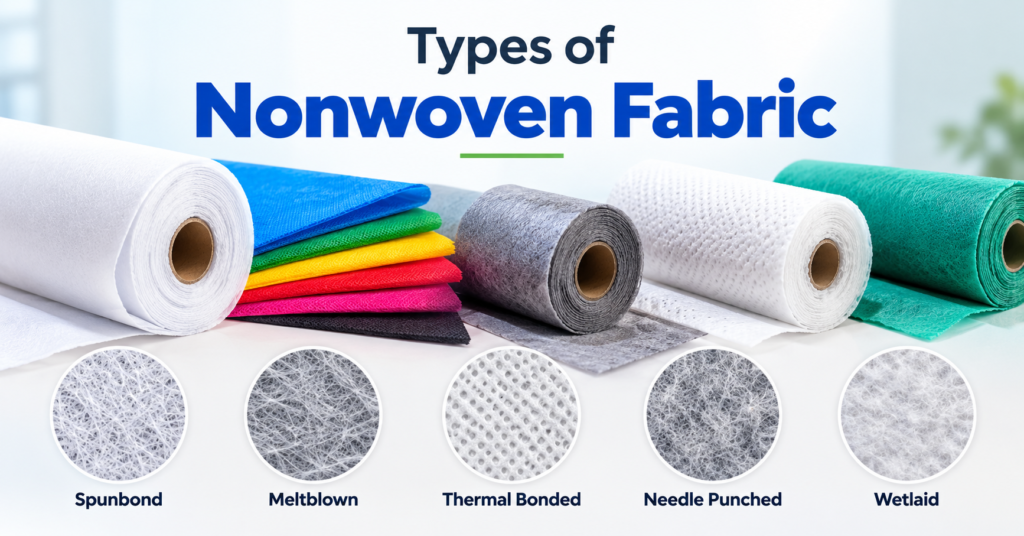
When buying non-woven fabric rolls for manufacturing, choosing the right specifications can make a real difference to your production process, product quality and overall costs. The correct GSM, width, colour and roll length help reduce material waste and keep production running smoothly. On the other hand, unsuitable specifications can lead to extra trimming, inconsistent results and unnecessary expenses.
Whether you manufacture bags, packaging materials, covers or other products, understanding these factors will help you make better purchasing decisions. This guide explains what to consider when ordering custom non-woven fabric rolls and what information to share when requesting a quotation.
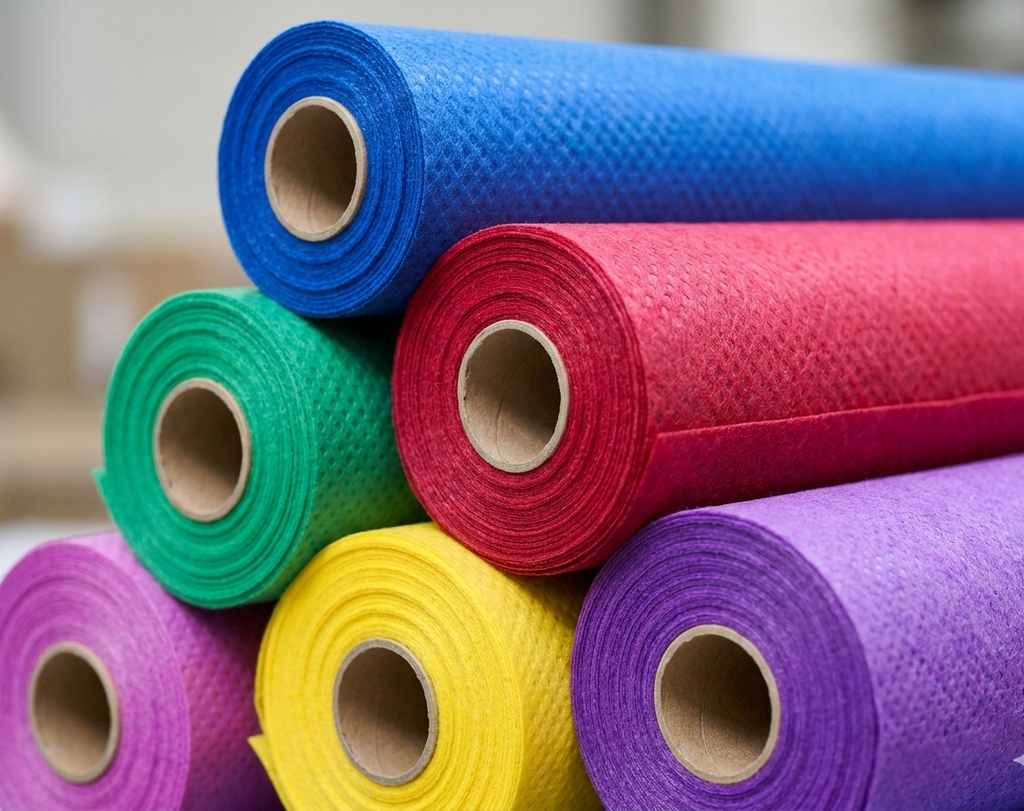
What Are Custom Non-Woven Fabric Rolls?
Custom non-woven fabric rolls are continuous sheets of fabric manufactured according to specific requirements. Unlike woven or knitted fabrics, non-woven materials are made by bonding or interlocking fibres to create a flexible sheet.
Depending on the supplier, buyers can choose specifications such as GSM, roll width, colour and length. Some manufacturers may also offer different material types and finishes to suit particular applications.
Custom rolls are especially useful when standard sizes do not meet your product requirements or fit your production equipment. For example, a bag manufacturer may need a particular width to match its cutting pattern, while a packaging business may require a specific colour for consistent branding.
How to Choose the Right GSM for Non-Woven Fabric Rolls
GSM stands for grams per square metre. It measures the weight of the fabric over a given area and is one of the main specifications to consider when placing an order.
The right non-woven fabric GSM depends on how the finished product will be used, how much strength it requires and how it needs to perform during handling. Lighter fabrics may work well for applications where flexibility and lower material consumption are important. Heavier fabrics may be more suitable when the product needs additional body or durability.
However, GSM alone does not determine fabric quality. Fibre composition, bonding method, material structure and manufacturing quality also affect performance. Choosing a higher GSM does not automatically mean choosing a better fabric.
Before deciding on the GSM, consider:
- The load or stress the finished product must withstand.
- Whether the fabric needs to remain flexible, fold easily or hold its shape.
- How it will be cut, stitched, printed or converted.
- Any technical or customer specifications that must be met.
If you are unsure which option is suitable, request samples in different GSM options and test them under your normal production conditions before ordering in bulk.
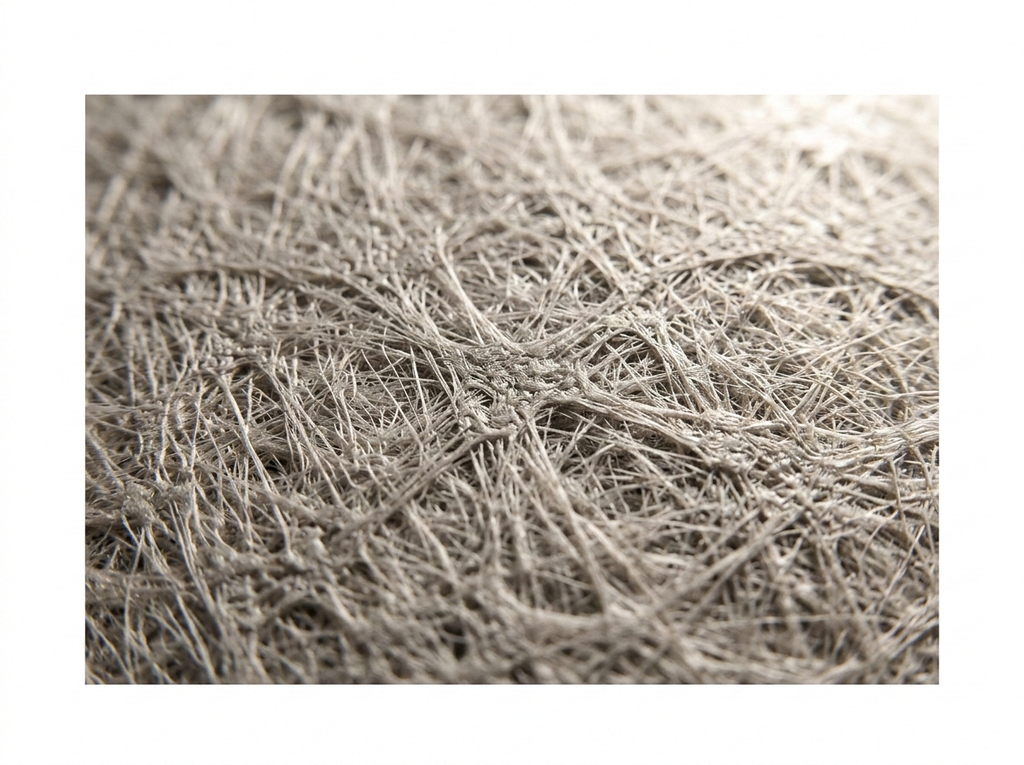
Choosing the Correct Width for Non-Woven Fabric Rolls
Roll width refers to the distance from one edge of the fabric to the other. Selecting the right width helps the material fit your machinery and makes it easier to plan cutting layouts efficiently.
If the roll is too narrow, you may need additional joins or find that fewer product pieces fit across the fabric. If it is wider than necessary, more material could end up as offcuts, increasing waste and production costs.
Before placing an order, check the width requirements of your cutting or converting equipment. Mapping out the product pieces can also help you identify a width that makes better use of the material.
It is important to confirm how the supplier measures roll width. Ask whether the quoted measurement refers to the total fabric width or the usable width, particularly if accurate dimensions are essential to your production process.
Available Colours for Custom Non-Woven Fabric Rolls
Colour is an important consideration when the fabric is used for branded products, packaging or applications where appearance matters. The available options may depend on the fabric type, GSM, order quantity and the supplier’s production capabilities.
If you need to match an existing brand colour, ask the supplier how colour consistency is maintained across production batches. Requesting a sample is a practical way to check the shade before approving a larger order.
Also, confirm that your preferred colour is available in the width and GSM you require. Not every combination may be available under the same minimum order quantity or production terms.
Understanding Non-Woven Fabric Roll Length
Roll length refers to the amount of fabric wound onto a roll and is generally measured in metres. The right length depends on your production volume, storage space, handling equipment and how frequently you want to change rolls.
Longer rolls can reduce the number of changeovers during production, saving time in processes that run continuously. However, they may be heavier and more difficult to handle, depending on the fabric weight and roll dimensions.
Shorter rolls are often easier to move and store, but they may require more frequent replacements during production.
When discussing roll length with your supplier, confirm the stated length and any permitted variation. It is also worth checking the core size, roll diameter and packaging requirements to ensure the rolls work with your machinery and storage arrangements.
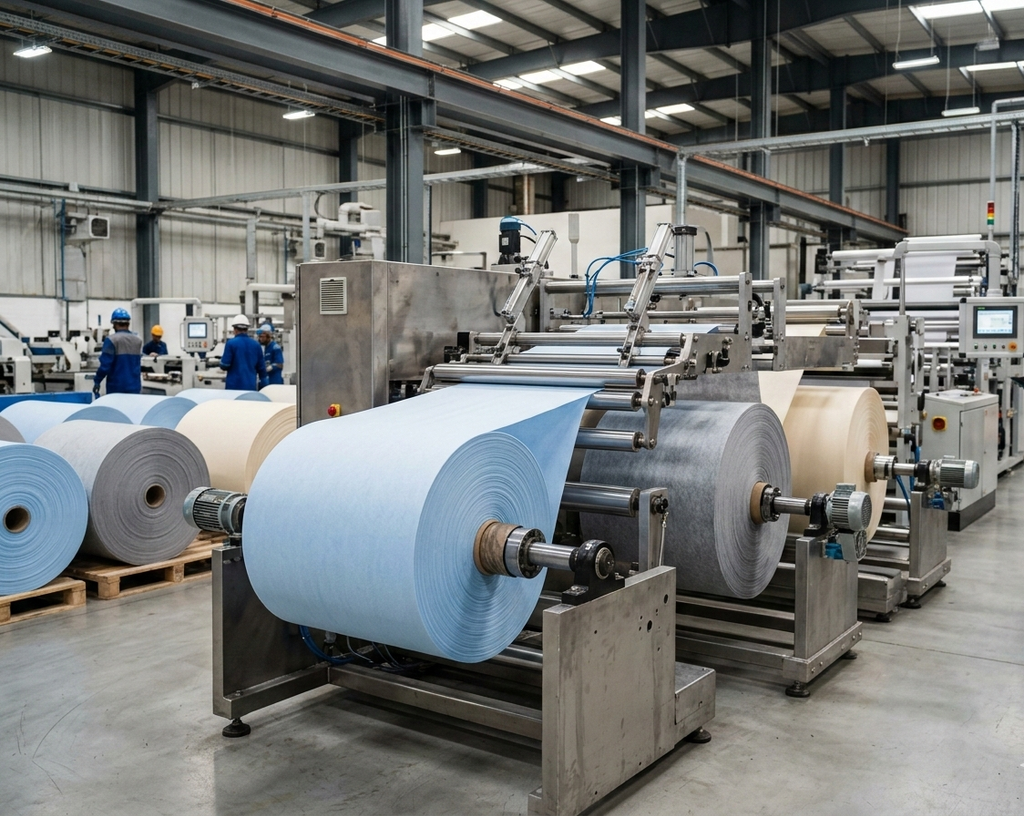
How GSM, Width, Colour and Roll Length Affect Pricing
The cost of custom non-woven fabric rolls depends on the complete specification, order quantity and delivery terms.
GSM affects the amount of material used per square metre, while width and length determine the fabric dimensions and quantity supplied on each roll. Colour requirements may also influence availability, production costs or minimum order quantities.
Other factors include fabric type, packaging, testing requirements, documentation and delivery location.
When comparing quotations, provide every supplier with the same specifications. A lower price may not represent better value if the fabric has a different GSM, shorter roll length or different quality requirements. Comparing the full quotation makes it easier to understand the actual cost and choose an option that suits your needs.
How to Select Custom Non-Woven Fabric Rolls for Different Applications
The best way to choose a suitable fabric is to start with the finished product and work backwards. Consider its size, intended use, required strength and appearance, along with how the material will move through your production equipment.
For shopping bags, think about the expected load, handle construction and whether the fabric will be stitched or sealed. For packaging materials and covers, consider the required dimensions, handling conditions and appearance.
If your customer has provided a technical specification, use it when discussing fabric options with suppliers. For products that must meet particular performance requirements, request relevant test information rather than relying on GSM or appearance alone.
What to Check Before Ordering Non-Woven Fabric Rolls in Bulk
Before confirming a bulk order, make sure the quotation, approved sample and written specifications match your requirements.
Use this checklist to cover the main details:
- Fabric type and GSM.
- Roll width and length.
- Colour and agreed shade reference, where applicable.
- Permitted variations in weight and dimensions.
- Roll core, diameter and packaging.
- Sample approval and production lead time.
- Minimum order quantity and delivery terms.
If you plan to place repeat orders, ask how the supplier maintains consistency between batches and records the agreed specifications. Keeping these details in writing can help prevent misunderstandings and make future purchases easier to manage.
How to Choose a Reliable Non-Woven Fabric Roll Supplier
A reliable non-woven fabric roll supplier should explain its available options clearly, provide samples when possible and give you a quotation that covers your actual requirements.
Ask about production capacity, minimum order quantities, delivery timelines and the supplier’s approach to repeat orders. It is equally important to confirm that the supplier can provide your required GSM, width, colour and roll length together.
Compare quotations based on the full offer, including material specifications, pricing, packaging and delivery costs, rather than choosing on price alone.
If you are sourcing non-woven fabric in India, Metro Plasto may be a starting point for an enquiry. Contact the company directly to confirm its current product range, customisation options, minimum order quantities and supply terms.
Frequently Asked Questions
What GSM is best for non-woven fabric bags?
There is no single GSM that suits every bag. Learn more about how to choose the right GSM for non-woven bags to determine the best choice based on the bag’s size, intended load, construction and expected use. Testing samples before placing a bulk order can also help you find a suitable option.
Can I order non-woven fabric rolls in custom widths?
Many suppliers offer custom widths, depending on their machinery and order requirements. Confirm your preferred measurement and whether it refers to the full fabric width or the usable width.
Are coloured non-woven fabric rolls available in bulk?
Coloured rolls may be available for bulk orders, but colour choices and minimum quantities vary between suppliers. Ask about shade consistency, availability and sample approval before confirming your order.
How is non-woven fabric roll length measured?
Roll length is generally measured in metres along the fabric as it is unwound. Check the stated length, permitted tolerance and overall roll dimensions with your supplier.
What information should I provide when requesting a quotation?
Include the fabric type, GSM, width, colour, required roll length, order quantity, intended application and delivery location. You should also mention any sample, packaging, testing or documentation requirements.
Conclusion
Choosing the right custom non-woven fabric rolls starts with understanding what your product and production process actually require. GSM affects fabric weight, width influences cutting efficiency, colour supports appearance and branding, and roll length determines how much material is available on each roll.
Before placing a bulk order, confirm these specifications, evaluate samples and compare complete quotations from suppliers. Taking the time to clarify your requirements upfront can help reduce waste, control costs and maintain consistent results across production runs.